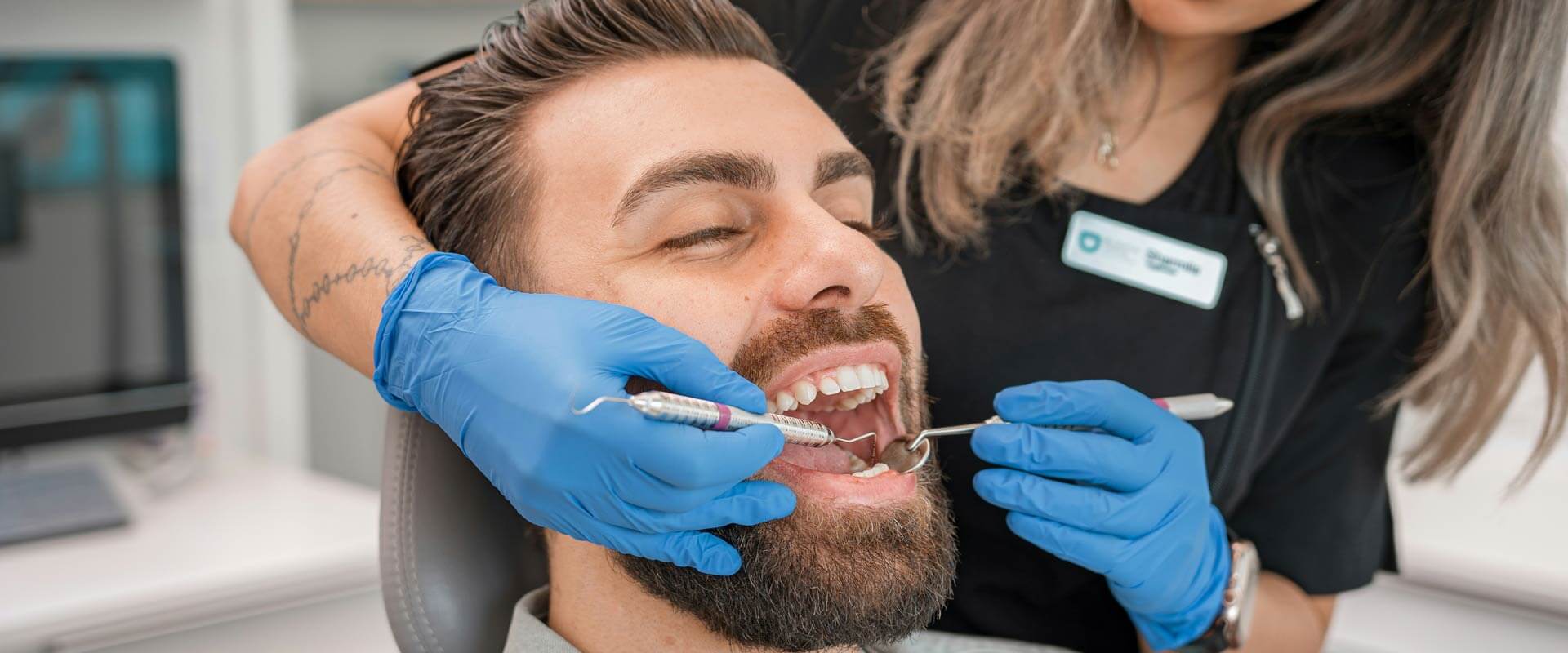
Maintaining healthy teeth and gums involves more than daily brushing and flossing

Regular professional dental care helps remove stubborn plaque and tartar, identify potential concerns and keep your smile in good condition. Our dental hygienists at Tea Tree Dental play an important role in maintaining patients’ oral health through professional cleaning, gum health assessments and personalised oral hygiene advice.

If you’re due for your next dental check up or want to understand what happens during a scale and clean, here’s what to expect when visiting a dental hygienist in Adelaide.

Why is a regular Dental Check Up important?

A regular dental check up allows your dentist to assess your teeth, gums and overall oral health, identifying potential problems before they become more complicated.

During your appointment, your dentist may check for tooth decay, damaged restorations, gum inflammation and unusual changes in the soft tissues of your mouth. Dental X-rays may also be recommended when clinically appropriate to identify problems that aren’t visible during a standard examination.

Your dentist can then discuss any concerns and recommend suitable treatment or preventative care.

The role of a Dental Hygienist in Preventive Dental Care

While your dentist assesses your overall dental health and diagnoses oral health conditions, a dental hygienist plays an equally important role in maintaining healthy teeth and gums, and it’s worth knowing that the work of a dental hygienist extends well beyond simply cleaning your teeth.

A dental hygienist specialises in preventative oral healthcare. They use professional techniques and specialised equipment to remove plaque and tartar, assess gum health and help patients improve their daily oral hygiene routines.

A dental hygienist supports patients through services including:

  • Professional teeth cleaning: Removing plaque, tartar and surface deposits that regular brushing and flossing cannot adequately eliminate.
  • Gum health assessment: Checking for inflammation, bleeding, gum recession and other potential signs of gum disease.
  • Oral hygiene education: Demonstrating effective brushing and flossing techniques to help patients clean their teeth more effectively.
  • Personalised recommendations: Suggesting suitable toothbrushes, interdental brushes and other oral care products based on individual needs.
  • Preventative treatments: Discussing options such as fluoride applications where appropriate.

An important part of a dental hygienist’s role is helping patients understand where and why plaque builds up. For example, some people struggle to clean effectively around crowded teeth, dental restorations, or along the gumline. Your dental hygienist can identify these problem areas and demonstrate practical ways to improve your cleaning technique.

Your dental hygienist can also monitor changes in gum health between appointments and advise when further assessment by your dentist is needed. This combination of professional treatment and personalised education helps patients maintain healthier teeth and gums long after leaving the dental chair.

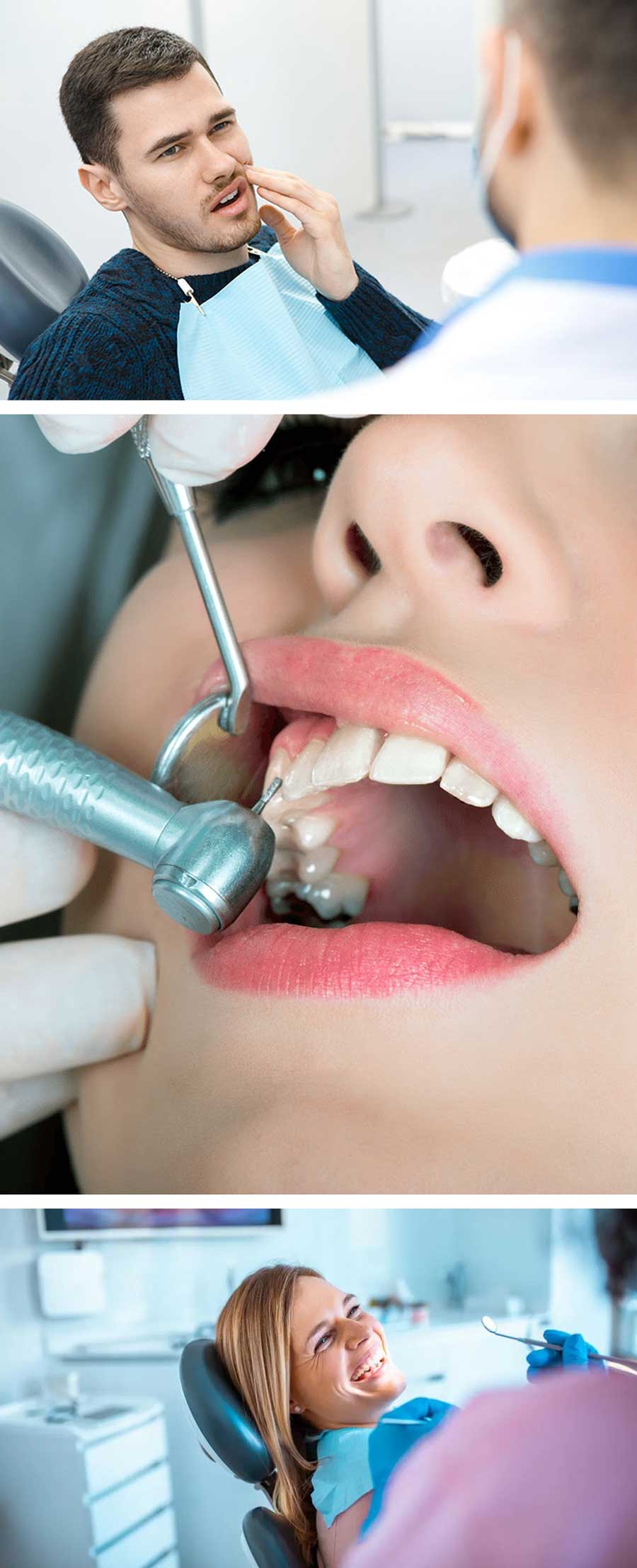
Dental hygienist consultations with scale and clean

What happens during a Scale and Clean?

A professional scale and clean is one of the most important services a dental hygienist provides. Even with consistent brushing and flossing, plaque can accumulate in hard-to-reach areas. If left untreated, it can harden into tartar (calculus), which cannot be removed with a regular toothbrush.

Your dental hygienist uses specialised instruments to remove these deposits, helping to reduce harmful bacteria and maintain healthy gums. A typical scale and clean appointment has several stages.

Assessing Your Teeth and Gums

Before starting, your dental hygienist will assess your teeth and gums, looking for plaque accumulation, tartar deposits and signs of inflammation or bleeding. This helps determine the level of cleaning required and whether particular areas need additional attention.

Scaling to Remove Plaque and Tartar

Scaling involves removing hardened tartar and plaque from tooth surfaces, particularly around the gumline and between the teeth.

Your dental hygienist may use ultrasonic instruments, which combine gentle vibrations with water to dislodge deposits. Specialised hand instruments can also be used to reach areas requiring more detailed cleaning. Removing these deposits helps reduce the bacteria associated with gum inflammation and periodontal disease.

Depending on the amount of tartar and the condition of your gums, some areas may require additional attention. Patients with more significant deposits or gum concerns may need further treatment or a different cleaning schedule.

Polishing Your Teeth

After scaling, experience the next level of professional dental hygienist cleaning with Guided Biofilm Therapy (GBT).

Moving beyond traditional polishing, GBT uses advanced technology combining warm water and a specialised fine powder to gently and effectively remove bacterial biofilm from your teeth and gums. This innovative approach allows for a more precise, thorough and comfortable clean, helping support optimal oral health.

Personalised Oral Hygiene Advice

A scale and clean is also an opportunity to improve your daily oral care routine. Your dental hygienist can demonstrate effective brushing and flossing techniques, identify areas needing extra attention and recommend suitable cleaning aids.

Depending on your needs, additional preventative treatments, such as fluoride applications, may also be recommended to help strengthen tooth enamel and protect against decay.

Dental check up with a dental hygienist

Does a Scale and Clean hurt?

For most patients, a scale and clean is relatively comfortable. However, mild sensitivity or discomfort can occur, particularly if there is significant tartar build-up, inflamed gums or existing tooth sensitivity

 Every mouth is different, so your dental hygienist can tailor the treatment to your individual needs to ensure you feel as comfortable as possible throughout your appointment.

Regular professional cleaning can also help prevent heavy tartar accumulation, potentially making future appointments more comfortable.

How often should you have a Dental Check Up and Scale and Clean?

For many patients, having a dental check up every six months is a suitable starting point. However, the recommended frequency of examinations and professional cleaning depends on your individual oral health. Patients with a history of gum disease, frequent plaque build-up, or other oral health concerns may benefit from more frequent appointments. Your dental hygienist can recommend an appropriate schedule based on your needs.

Between appointments, maintain good oral hygiene by brushing twice daily with fluoride toothpaste, cleaning between your teeth daily and following your dental team’s recommendations.

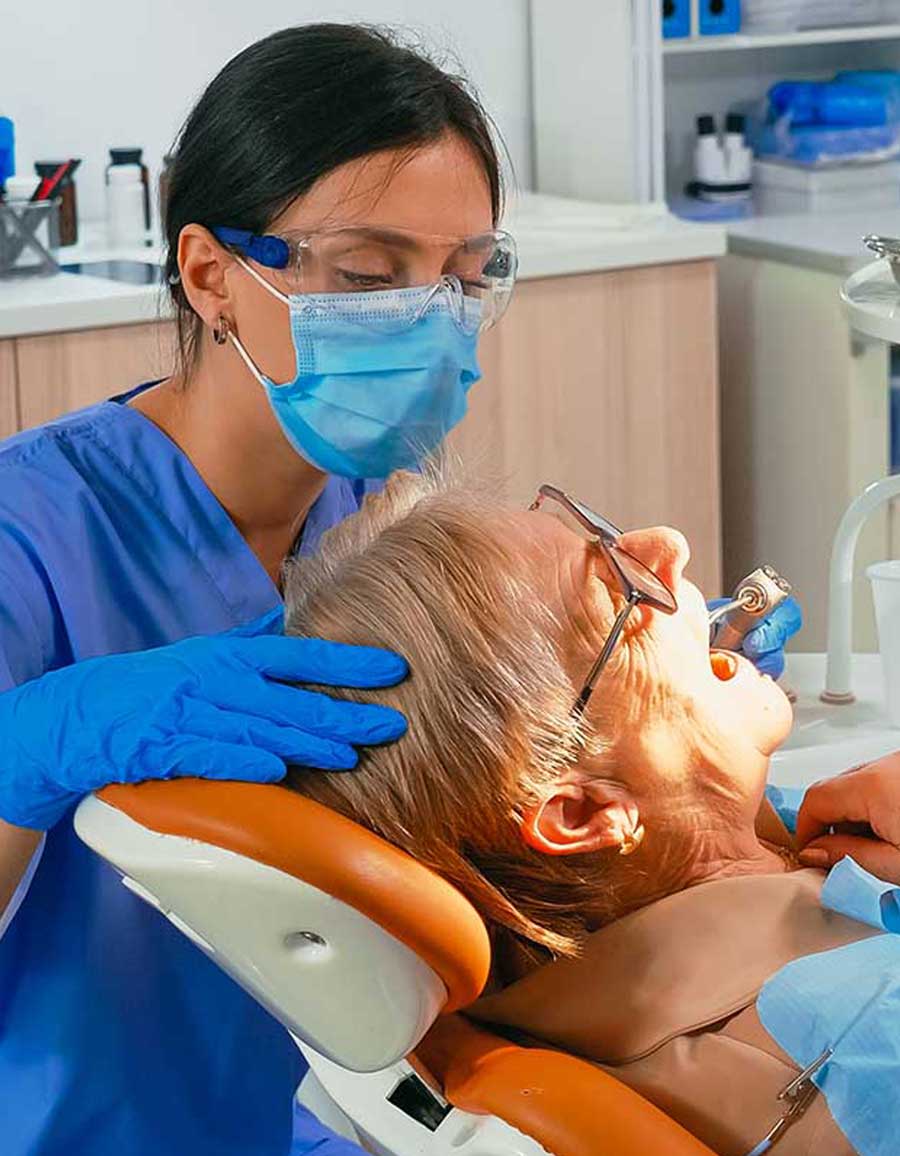
Dental hygienist in Adelaide administering a dental check up.

Visit Tea Tree Dental for Professional Dental Cleaning

Regular professional cleaning and advice from an experienced dental hygienist can make a significant difference to your long-term oral health.

At Tea Tree Dental, our friendly team provides comprehensive dental care in a comfortable and welcoming environment. From routine dental check ups to professional scale and clean appointments, we’re here to help you maintain a healthy smile.

If you're looking for a dental hygienist in Adelaide, or it's time for your next dental check up, contact Tea Tree Dental in Modbury.